What Is a UGC Video? Definition, Types & How Ecommerce Brands Use Them
Your customers are already posting videos about your products on TikTok and Instagram. Shot on a phone, unscripted, unfiltered. And those videos often convert better than anything your brand produces in-house.
That's UGC video. Here's what it actually is, why it works, and how to put it to use on your store.
What is a UGC video?
UGC stands for User-Generated Content. A UGC video is any video created by a real customer about a brand or product, without being produced or commissioned by that brand.
It's not an ad. It's not an influencer post paid for its reach. It's a testimonial filmed by someone who bought the product and is showing it in their real life, with their messy apartment and imperfect lighting in the background.
There are two main sources of UGC video:
- Organic UGC: a satisfied customer posts a video on TikTok or Instagram entirely on their own, without any prompting from the brand.
- Incentivized UGC: the brand asks existing customers, or works with specialist UGC creators, to produce this style of content in a more structured way, without necessarily having an audience of their own.
Either way, the result is the same: a video that feels genuine, grounded in real usage, and far more credible to shoppers than branded content.
Why UGC video converts better than brand content
Product pages featuring UGC video see an average 8.5% lift in conversion rate. Across a full catalog, that compounds into meaningful revenue.

Two things drive this.
The first is trust. Shoppers give two to three times more weight to another customer's experience than to a brand message. Watching a real person use a product in their daily life answers questions that standard product pages never address.
Is the color actually that vibrant? Is it easy to use? Does it feel worth the price?
The second is format familiarity. Short vertical video between 15 and 30 seconds is the dominant content format for millions of consumers. When that format shows up on a product page, shoppers already know how to engage with it. They watch, they get it, they buy.
The 4 types of UGC video
Customer testimonials
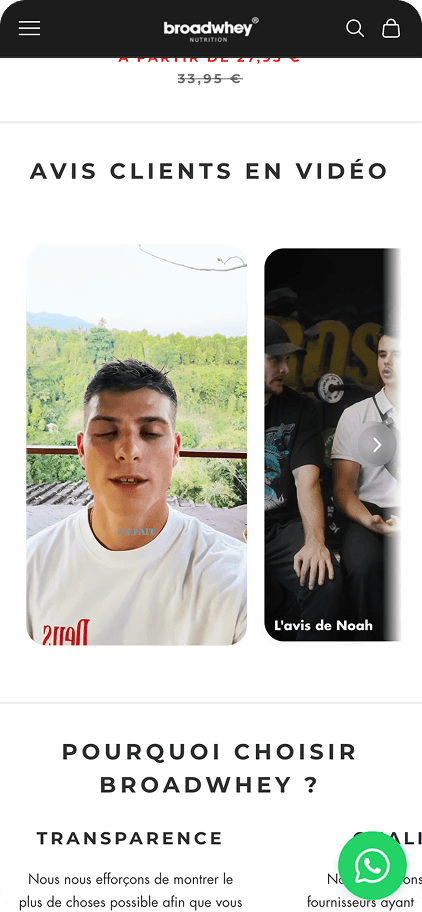
The most straightforward format: a customer talks directly to camera about their experience with the product. No script, no production. It converts better than written reviews because it carries emotion and feels nearly impossible to fake.
Unboxing
The customer films themselves opening the package in real time. This format captures the first impression, the moment the product meets the buyer for the first time. It works especially well in beauty, fashion, and lifestyle, where packaging is part of the product experience.
How-to and tutorials
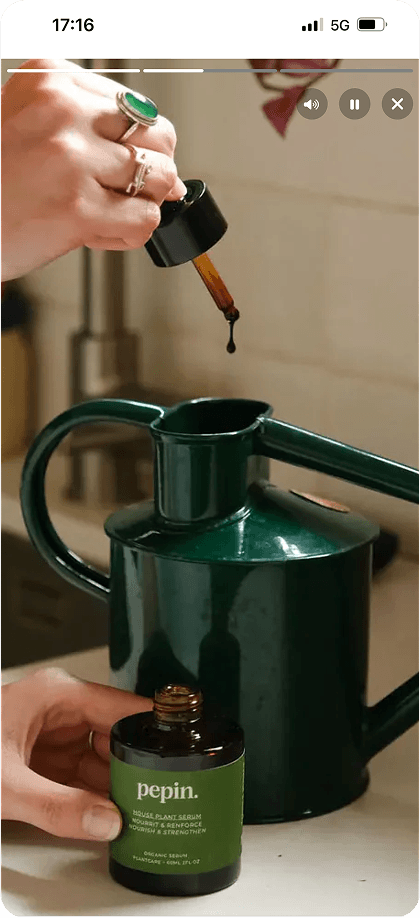
The customer demonstrates how they use the product in their routine. This format does two things at once: it reassures hesitant buyers about ease of use, and it shows the product benefit in action rather than just describing it.
Lifestyle content
No demonstration, no pitch. The product appears naturally in the customer's everyday life. This is often the most shareable format on social because it sells a lifestyle rather than an object. It also tends to have the longest organic lifespan of any UGC format.
Where to deploy UGC video on your ecommerce site
Most brands collect UGC video and repost it on social. That's leaving the real value on the table. Your site is where UGC video has the biggest direct impact on sales, because that's where the buying decision actually happens.
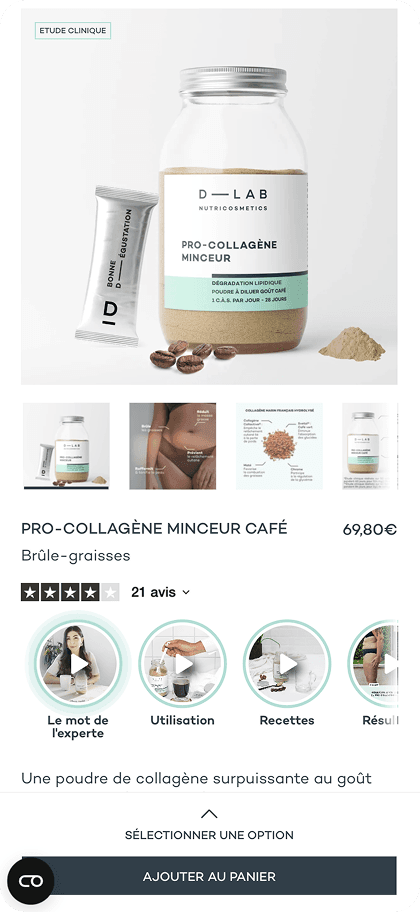
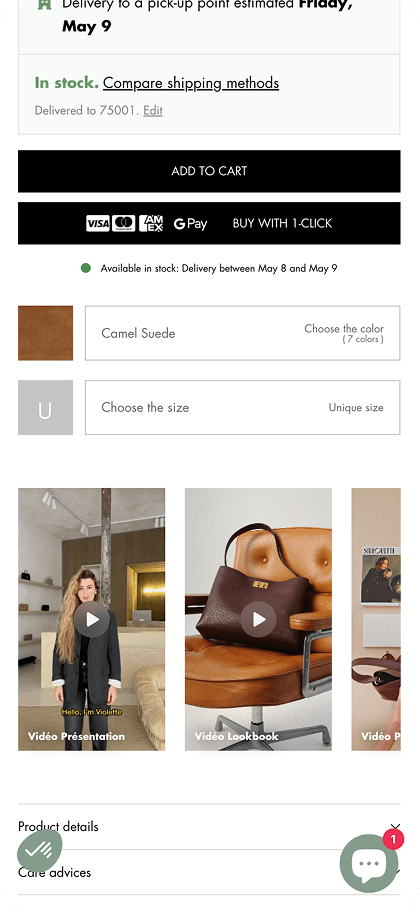
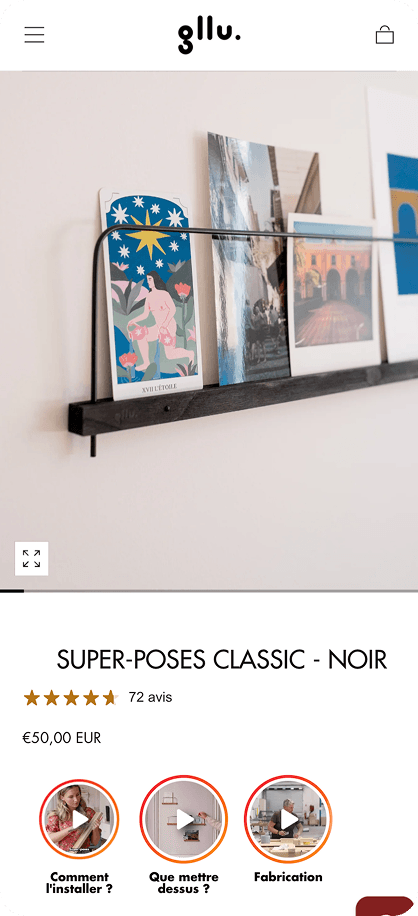
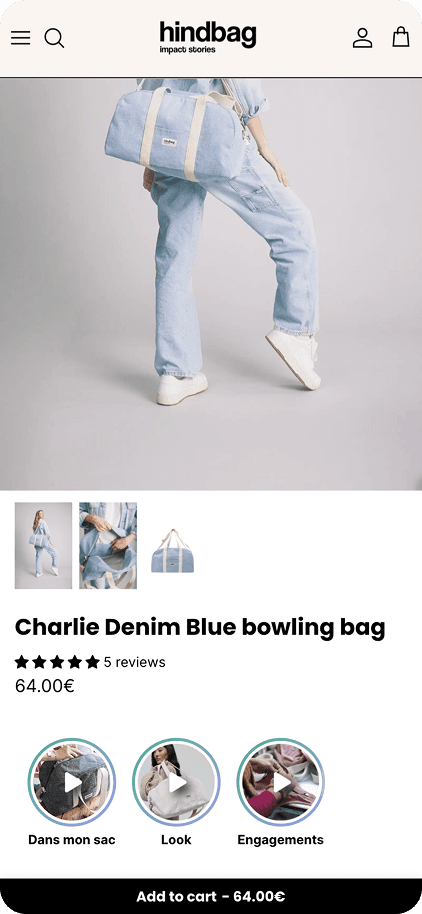
On product pages, this is the highest-ROI placement. A UGC video embedded below the product images answers last-minute hesitations exactly when they come up. Shoppers don't need to go looking for reviews elsewhere. Add-to-cart rates go up, bounce rates go down.

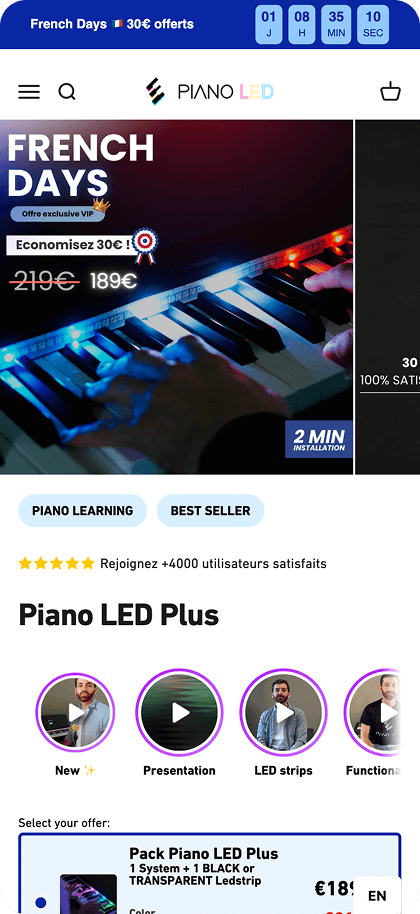
On the homepage as a video carousel, a row of customer videos creates immediate social proof for first-time visitors. Before they've read a single line of copy, they can see that real people are buying and using the products.

As a pop-up, a UGC video triggered at the right moment, on exit intent or after a set time on page, can re-engage a visitor who's about to leave. This placement performs particularly well on mobile.

In post-purchase emails, adding a UGC video to a loyalty or re-engagement sequence reinforces the sense of community around your brand and naturally encourages customers to share their own content in return.

How to collect UGC video without doing it manually
Manual collection is the main bottleneck for brands getting started with UGC. Monitoring brand mentions on TikTok and Instagram, identifying usable videos, reaching out to each creator for rights: done by hand, it doesn't scale.
A basic organic approach works well to generate early content. A post-purchase email inviting customers to share their experience with a dedicated hashtag, combined with regularly reposting the best videos, creates a virtuous cycle. Customers who see their content featured are motivated to keep sharing.
To go further without spending hours each week, a social listening tool automatically scans Instagram and TikTok for every mention of your brand in real time, including videos posted spontaneously that you would never have found otherwise.
PlayShorts has this built directly into the platform. The UGC Search feature identifies UGC videos published about your products, lets you select the ones you want to use, and deploys them to your product pages, homepage, or as a pop-up in a few clicks, with no export or development needed.
UGC video vs influencer content: not the same thing
The distinction matters. An influencer is paid for their reach: what the brand is buying is their audience. A UGC creator is paid for their content: they produce authentic-looking video without necessarily having any followers.
Organic UGC involves no payment at all. It's a satisfied customer talking about your brand because they want to. That's exactly why it's the most credible format in the eyes of other shoppers.
In practice, the brands that get the best results combine all three: organic UGC for maximum credibility, UGC creators to maintain content volume, and influencers for reach and acquisition.
UGC video FAQ
Do you need permission before using a customer's video?
Yes, always. Even if the video is public on Instagram, you cannot republish it or embed it on your site without explicit consent from the creator. In most cases, a DM or a comment asking for permission is enough. PlayShorts automates this rights request directly from the platform.
How long should a UGC video be on a product page?
Between 15 and 45 seconds. Short enough to hold attention, long enough to show the product in use. On mobile, 15 to 25 seconds is the safer range.
Will UGC video slow down my site?
Not if it's hosted through a dedicated solution. Tools like PlayShorts optimize video loading so it doesn't affect your page performance scores.
Does UGC video work for every ecommerce category?
Fashion, beauty, home, and lifestyle are the most mature sectors for UGC video. Supplements and sports brands also see strong results. Categories with purely functional, low-emotion purchases tend to benefit less.
Read more
To put this into practice, start by exploring 6 UGC video formats that convert then deploy them on your product pages as stories on product pages for maximum impact on conversion.
For a complete video strategy, see where to place videos on your ecommerce site and get inspiration from our effective ecommerce video popup ideas to capture attention from the first visit.