Does live shopping really have a place in your US e-commerce strategy in 2026? The format exploded in Asia, established itself in the US thanks to Whatnot, TikTok Shop and Amazon Live, and dedicated SaaS platforms are now within reach of every brand size. But between the eye-catching numbers from Sephora or Walmart and the operational reality of a DTC brand, the gap is wide. This article covers the state of the US market, the platforms that matter, the real cost by brand size, and the trade-off between live shopping and permanent video on product pages.
What is live shopping?
Understanding the mechanics of live selling is the first step to modernizing your digital acquisition strategy.
Definition and core principles of live commerce
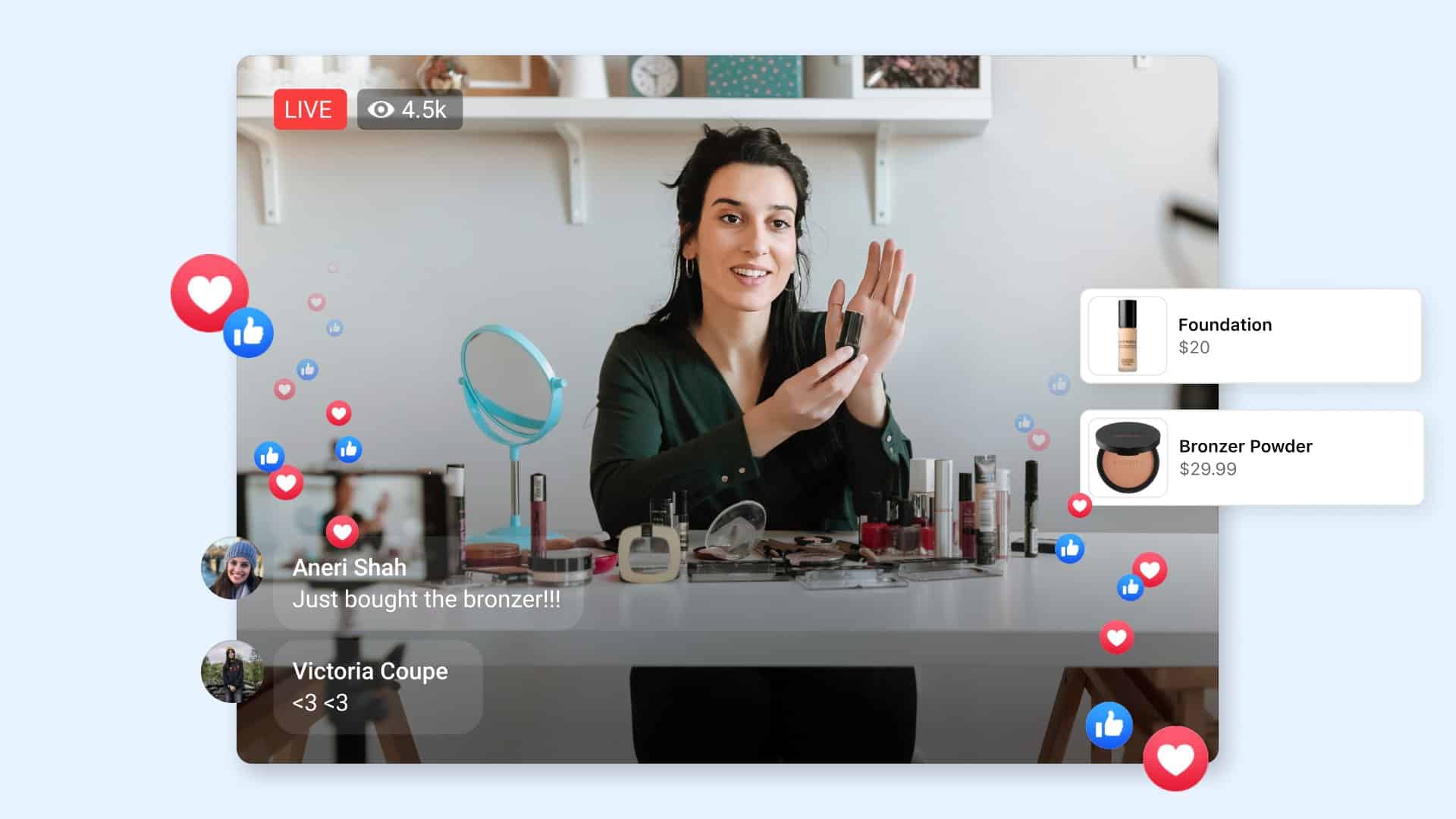
Live shopping (or live commerce) is an online selling method that combines streaming video with instant-purchase functionality. This interactive format lets a host or sellers present products in real time while answering viewer questions through an integrated chat. Unlike traditional e-commerce, which posts an average conversion rate of 2 to 3%, live commerce regularly delivers conversion rates between 8% and 15%. The performance comes from the urgency live creates and the authenticity of demonstration, which removes the doubts a static product page can't address.
How the format went global and reached the US
Live shopping grew rapidly worldwide, originating in China before spreading to dozens of markets. The trend is reshaping how consumers interact with brands across borders.
Key markets like the United States, Europe and Asia are now adopting the format at scale, with a growing share of online shoppers reporting they've watched or participated in a live shopping session. The US has become the second-largest live commerce market behind China, accelerated by the launch of TikTok Shop in September 2023, the rise of Whatnot, and Amazon Live's expansion across creator-led broadcasting.
The US live shopping market in 2026: state of play
The live commerce ecosystem has reached measurable maturity, redefining performance benchmarks for online commerce in the US.
Key figures and US consumer adoption
In 2026, US live commerce sales are projected to reach the tens of billions of dollars (Coresight Research has projected the US live commerce market at around $68 billion by 2026), driven by mass adoption among younger shoppers and the explosion of TikTok Shop and Whatnot.
Asia, especially China, remains the undisputed leader with explosive live commerce growth. The US is now the second-fastest-growing market, with TikTok Shop onboarding tens of thousands of small and mid-sized merchants in less than two years and Whatnot becoming the largest live shopping marketplace in North America with hundreds of thousands of hours streamed weekly.
Beauty, fashion, collectibles, sneakers and consumer tech account for the bulk of transaction volume during these events. The US adoption now confirms live shopping is no longer a marketing experiment, it's a legitimate revenue channel.
Trends reshaping live commerce in the US
US shopping behavior shows that short-form video and interactive streaming now dominate mobile consumption. Embedded video has become a baseline standard for boosting engagement and conversion in a saturated digital environment.
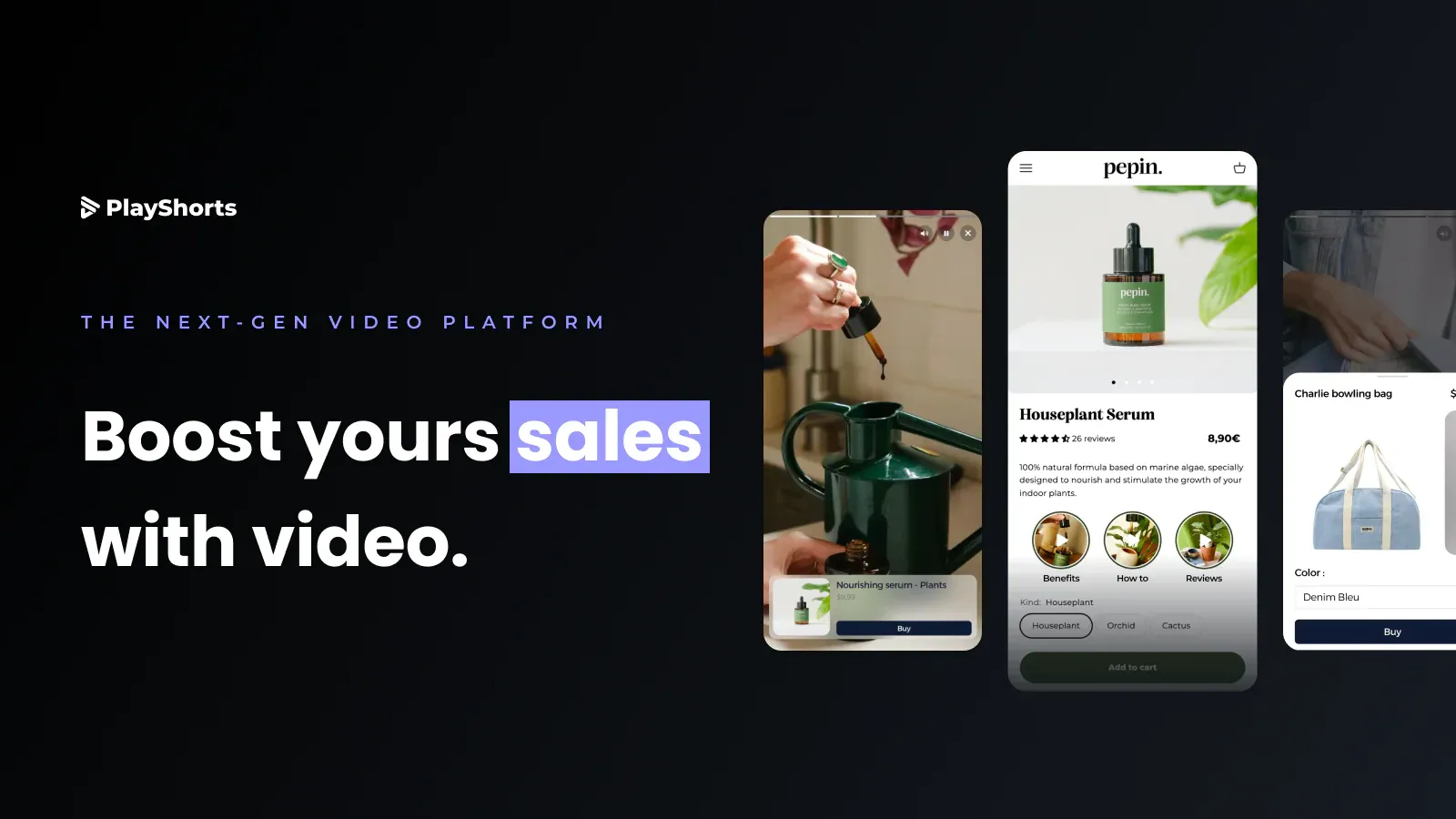
This is why specialized tools like PlayShorts deploy formats such as web stories and shoppable video carousels, allowing brands to maintain a continuous interaction with their community. This hybrid approach, blending entertainment and e-commerce, fits the rising visual quality expectations of US consumers.
Live shopping platforms in the US: 2026 panorama
Your tech stack directly determines the user experience and final conversion rate.
Distribution channels: from social commerce to integrated solutions
To launch an effective live selling strategy, you'll need to choose between social platforms and SaaS solutions integrated into your own site. Picking a tool that fits your e-commerce platform is critical.
| Evaluation criterion | Social networks (TikTok, Instagram, Facebook) | Integrated solutions (e-commerce SaaS) |
|---|---|---|
| Data ownership | Low (data retained by the network) | High (100% of customer data) |
| Average conversion rate | 3 to 5% | 8 to 15% |
| Brand control | Limited by the app's interface | Full (white-label possible) |
| Distraction risk | Very high (notifications, other videos) | Low (dedicated environment) |
Key live shopping players in 2026
The US live shopping market is driven by several major players, each suited to different needs and customer segments:
- Whatnot: the largest live shopping marketplace in North America, blending e-commerce, streaming and social network in one app. Sellers stream live while buyers can chat, bid and purchase instantly. Especially strong in collectibles, vintage fashion and sneakers, Whatnot relies on real-time interaction, urgency and community to deliver an experience far more engaging than a traditional store. The platform recently launched its Shopify app, allowing merchants to sync their store and inventory directly into live sales.
- TikTok Shop: native to the TikTok social network and available in the US since September 2023, TikTok Shop lets creators and brands sell directly through short-form videos and live broadcasts. With over 150 million US active users on TikTok, the platform combines entertainment and instant purchase to generate high conversion rates. The trade-off: you depend on the algorithm and the platform itself for audience reach and customer data.
- Amazon Live: Amazon's native live shopping format, available exclusively to Amazon sellers. Sellers broadcast within Amazon's ecosystem with no replay or content portability outside of it. Worth pursuing if your business is heavily Amazon-driven, less relevant if you're trying to grow your own brand site.
- Channelize: a SaaS platform offering a complete and customizable live shopping integration directly on your e-commerce site. Suitable for brands and marketplaces, Channelize lets you manage your product catalog in real time, broadcast across multiple channels and keep full ownership of your customer data. A solid option for brands that want a smooth, branded live shopping experience while owning the customer relationship.
- Bambuser: Swedish enterprise platform widely used by global beauty and fashion brands (L'Oréal, LVMH, H&M). Now offers a self-service One-to-Many Starter plan from $599/month with no long-term commitment, plus an entry-level Shopify Essential plan from $199/month. A strong choice for brands that want premium integration on their own site.
Each of these actors has specific strengths in reach, features and data ownership, giving brands a real choice depending on their commercial strategy.
PlayShorts complements this landscape by providing a high-performance, simple video integration optimized for conversion on your own e-commerce platforms.
Real cost and effort by brand size
Live shopping doesn't require the same investment depending on brand size and maturity. With modern SaaS, the entry ticket has been divided by ten in three years. Here are the orders of magnitude observed in 2026:
| Brand profile | Setup and platform | Prep per session | Total cost per session |
|---|---|---|---|
| Small DTC brand (< $1M revenue) | Smartphone, ring light, lavalier mic + entry-level SaaS ($80 to $200/month) | 1 to 3 hours | Near zero after initial gear |
| Mid-market brand ($1M to $50M revenue) | DSLR camera, neutral background, moderation + mid-market SaaS ($500 to $1,500/month) | 1 to 2 person-days | $1,500 to $3,500 |
| Enterprise (> $50M revenue) | Dedicated studio, 3 to 5 person production team + enterprise SaaS ($3,000 to $8,000+/month) | 1 to 4 weeks | $5,000 to $15,000 |
Worth noting: regardless of size, 60 to 80% of a live shopping session's value is captured in the replay and its redistribution. Without cutting the highlights into short clips and republishing them on product pages, in email and on social, the investment quickly plateaus, even with a great session.
Maximizing impact: strategies, benefits and concrete examples
A high-performance video strategy relies on precise methodology and rigorously tracked success indicators.
Brands monetizing live shopping today
- Sephora runs beauty sessions with invited influencers and reports average revenue around $50,000 per session, with conversion rates 4 to 5 times higher than its classic marketing campaigns.
- A fashion retailer using Bambuser with virtual 3D production reached a 55% click-to-cart rate on its live sessions, vs 21% on average on its previous standard-format sessions.
- On Whatnot, top sellers consistently exceed $100,000 in annual sales, running 30 to 60 minute sessions multiple times per week, especially in vintage fashion, sneakers and collectibles.
The common thread across these results: none of it comes from a one-off live. They're all driven by regular cadence, upstream promotion to email and social audiences, and active replay redistribution on product pages.
Measurable benefits: engagement, conversion and customer retention
Beyond conversion rate (8 to 15% during the session vs 2 to 3% in classic e-commerce), three benefits are measurable and well-documented on brands that industrialize the format:
- Higher average order value: typically 20 to 40% above site average, thanks to urgency and real-time cross-selling.
- Lower return rate: live demonstration removes doubts that a static product page can't address. Fashion and beauty brands typically see double-digit drops in return rates on live-attributed sales.
- Engagement and brand equity: average session length around 13 minutes (vs a few dozen seconds on a product page), generation of raw video content reusable in email, social and UGC, plus stronger retention thanks to the conversational format.
Best practices for a high-performance live shopping session
Successful live shopping demands rigorous preparation. Key steps:
- Start promoting the event at least 7 to 10 days in advance.
- During the broadcast, the host should actively engage with the chat.
- Prepare exclusive time-limited offers to create urgency.
On the infrastructure side, the technology barrier is no longer an excuse. Video integration can now be done in one click, no technical skills required, thanks to specialized tools (Whatnot, TikTok Shop, etc.).
The permanent alternative: shoppable video on product pages
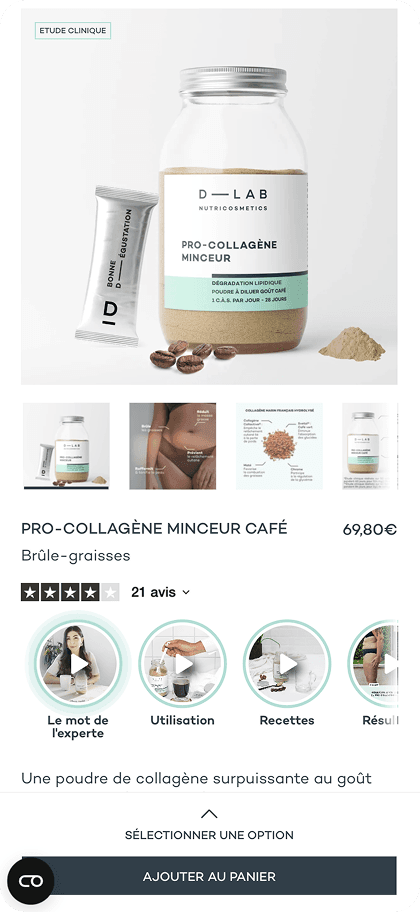
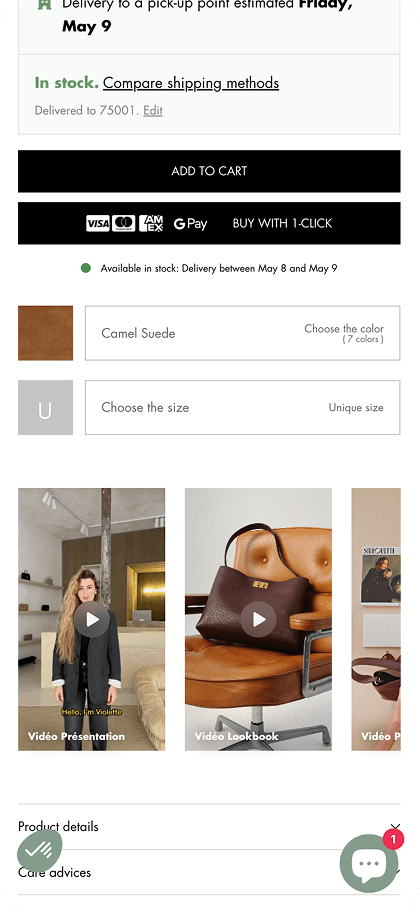
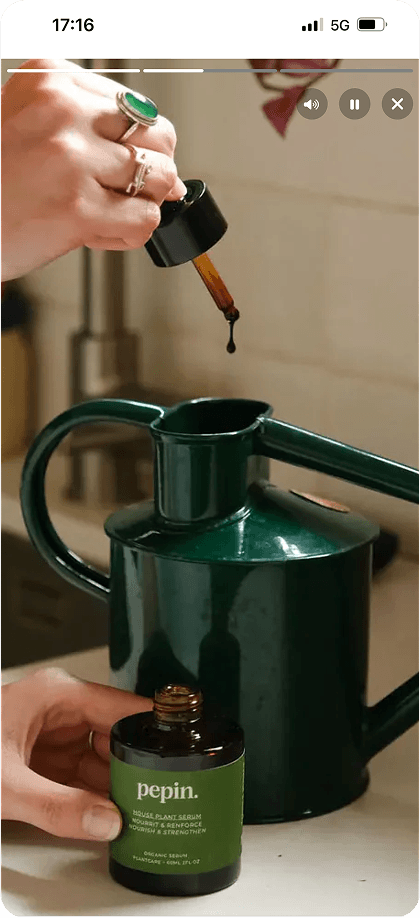
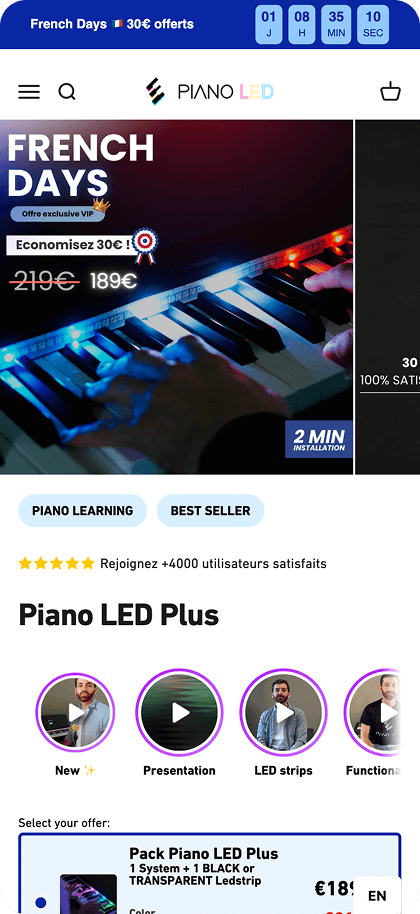
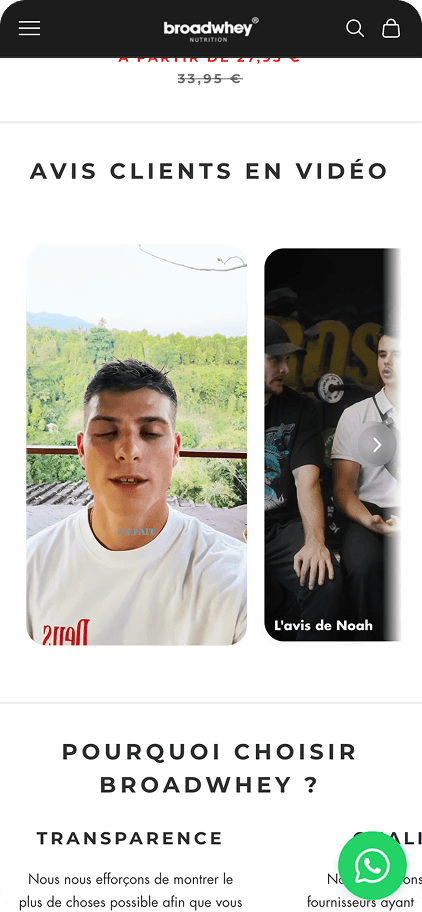
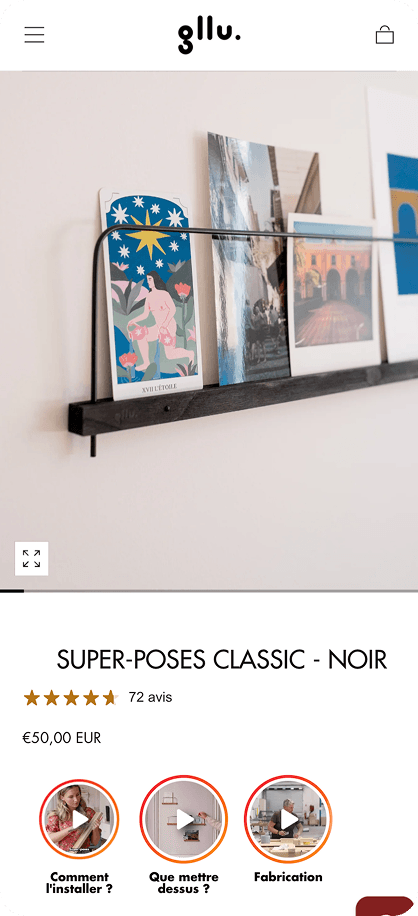
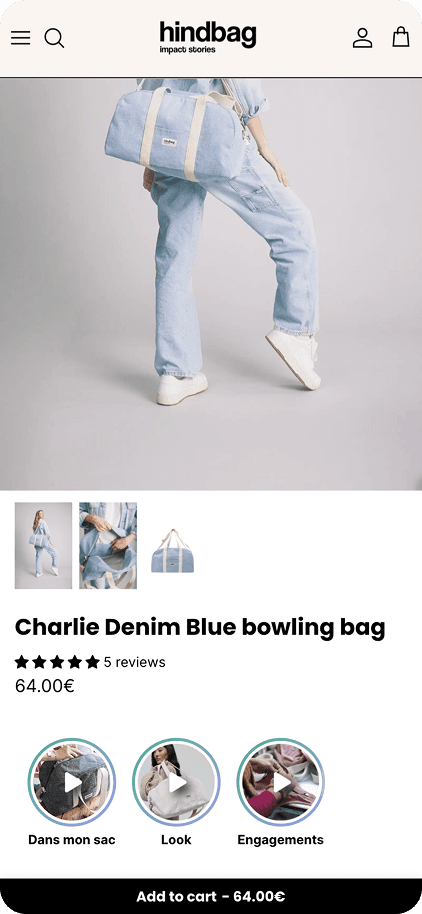
Live shopping remains an event-based format: it works during the session and its replay, then its impact fades. Asynchronous shoppable video (short formats like stories or shorts, embedded on the product page, homepage, exit pop-up, email or in-store QR code) runs 24/7 with no intervention, at very low cost after production.

Key figures from multiple e-commerce studies on this format:
- +88% time on product pages with video, compared to a page without.
- +64% add-to-cart on product pages with video.
- +5% to +26% average conversion rate on product pages, up to +80% in best cases.
- 41% of viewers of a shoppable video go on to purchase the product.
Concrete examples from the literature:
- Dr. Dennis Gross: 8.2% conversion on a shoppable campaign, more than $1M in revenue, 328× ROI.
- Tortuga Backpacks: +14% conversion rate on product pages, +16% revenue per visitor after integrating shoppable videos.
Why combine both formats
| Criterion | Live shopping | Asynchronous shoppable video |
|---|---|---|
| Availability | During session + replay | 24/7 on every product page |
| Required audience | Owned media activated upstream | Existing organic traffic is enough |
| Conversion impact | 8 to 15% during the session | +5% to +80% continuously on product pages |
| Business logic | Event-based, attention spike | Permanent, structural ROI |
The winning 2026 strategy: one live per month or per quarter to produce raw video content, then continuous redistribution of that content across product pages, pop-ups and emails to maximize ROI year-round.
That's exactly what PlayShorts offers. The platform embeds short-form videos (stories) on product pages, homepage, exit pop-ups, emails and in-store QR codes. Compatible with Shopify (native app), Magento, PrestaShop, Salesforce Commerce Cloud and custom sites. Our clients see on average up to +40% conversion rate after embedding short-form videos on their product pages, without mobilizing a production team every month.
See how PlayShorts works and our client case studies.
Conclusion: choosing the right format for your brand
Live shopping is a real channel in 2026, and modern SaaS platforms have made it accessible to brands of every size, from smartphone DTC to enterprise studio. But it is and remains an event-based format: its ROI depends as much on session cadence and replay redistribution as it does on the live itself.
For most e-commerce brands starting their video strategy, permanent shoppable video on product pages is the fastest lever to activate, the cheapest to operate and the one that produces structural ROI without depending on a production team. Live comes next, as a complementary event that produces reusable content.
PlayShorts addresses this first lever by embedding short-form videos directly on product pages, the homepage and every e-commerce touchpoint, with setup in minutes and conversion gains observed on average at +40% across our clients. Request a demo or browse our case studies.
Frequently asked questions about live shopping
What is live shopping?
Live shopping, in simple terms, is an online selling technique that combines a live video broadcast with the ability for viewers to instantly purchase the products being presented. The interactive format lets sellers engage their community while answering questions in real time through an integrated chat.
Why integrate live shopping into your strategy?
Live selling can significantly boost your conversion rates (in the range of 8 to 15% per session vs 2 to 3% in classic e-commerce) and reduce product returns through clearer demonstrations. It's also an excellent tool to humanize your brand, recreate the in-store advisory experience and retain an increasingly demanding customer base.
Which live shopping platforms perform best in 2026?
In 2026, SaaS solutions integrated directly into e-commerce sites outperform traditional social networks in conversion and data retention. Specialized platforms like Whatnot or B2B video integration tools deliver the best technical performance for a controlled selling environment.
How do you prepare and run your first live shopping session?
To succeed, define a clear objective, pick a host who is comfortable on camera and promote the event at least one week in advance to your target audience. Make sure to use a reliable technical solution that integrates easily with your catalog so the purchase journey is friction-free.
Further reading
To dig deeper, see Shoppable Video: before/after and impact on conversions, how to integrate shoppable videos on your e-commerce website and stories on product pages.
And to put it into practice: browse where to place videos on your e-commerce site, shoppable video examples and effective ecommerce video popup ideas.